Audio cancellation occurs when sound waves overlap out of time and reduce each other’s output instead of combining. In a car, this most often shows up as weak bass, hollow midrange or a system that never sounds full no matter how high the volume goes.
Unlike distortion or lack of power, cancellation is a timing and interaction problem. The speakers are playing, but parts of the sound are effectively being erased before they reach your ears.
Why Cars Are Prone to Audio Cancellation
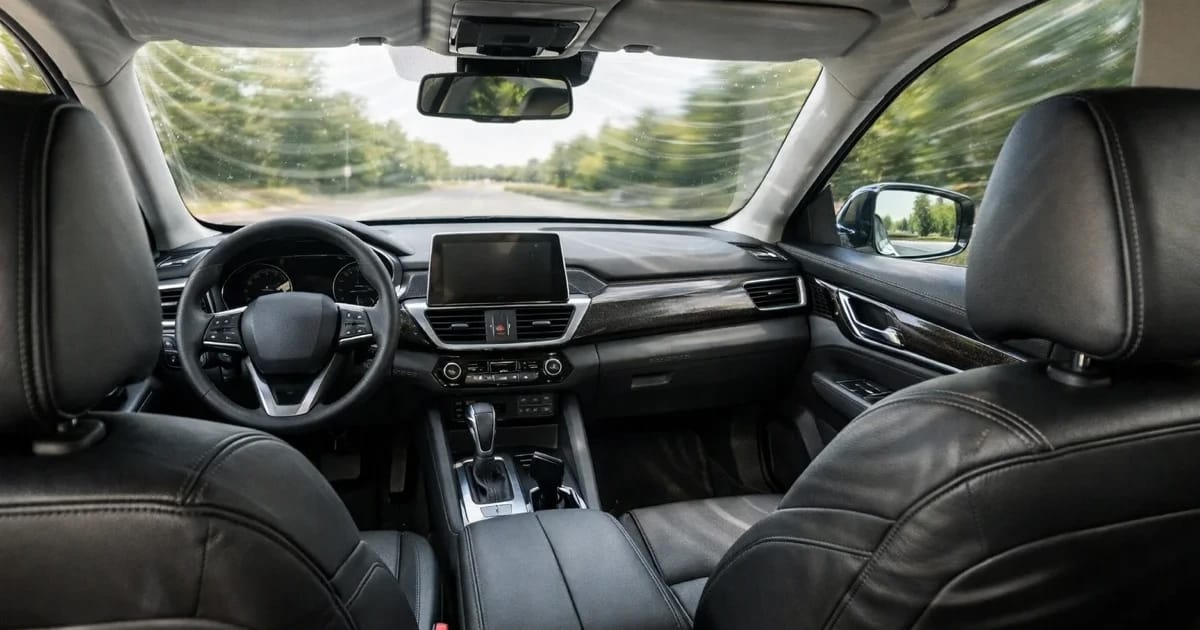
Vehicles create ideal conditions for audio cancellation because of their size, shape and seating layout. Speakers are spread throughout the cabin, listeners sit much closer to some speakers than others and sound constantly reflects off glass, metal and plastic surfaces.
These reflections arrive slightly later than the direct sound. When the reflected sound is out of phase with the original signal, certain frequencies are reduced or cancelled. The problem is far more severe in a car than in a living room because the listening distance is short and surfaces are close together.
How Speaker Phase and Polarity Affect Sound
Phase describes the timing relationship between sound waves, while polarity describes the direction a speaker cone moves when it receives a signal. When speakers are not working in sync, parts of the audio spectrum can cancel instead of reinforce.
This issue is most noticeable in midbass and subwoofer frequencies because those sounds rely on air movement and wave interaction. If one speaker pushes air while another effectively pulls it at the same moment, the result is reduced output and a thinner sound.
What Audio Cancellation Sounds Like to the Listener

Sound that arrives out of sync can feel distant and hollow, like music echoing from far away instead of surrounding the listener with clarity and impact.
Audio cancellation usually does not sound like something is broken. Instead, the system often feels underwhelming or inconsistent. Turning the volume up adds loudness but not impact.
Common listening symptoms include:
- Bass that seems strong in one seat but disappears in another
- Vocals that sound hollow or distant
- A lack of punch even though the system plays loudly
These symptoms can change depending on seating position, which is a strong indicator that timing and wave interaction are part of the problem.
How Factory Audio Systems Can Create Cancellation
Many factory audio systems unintentionally create cancellation through design compromises and aggressive signal processing. This is the most common source of the problem in modern vehicles.
Automakers must design one system to work acceptably in thousands of vehicles, with cost, weight and packaging limitations. To achieve this, factory systems often rely on complex equalization, mixed speaker roles and shared frequency duties. Door speakers may be asked to reproduce bass and midrange simultaneously, while small rear speakers fill gaps created by cabin acoustics.
In many cases, factory tuning prioritizes protecting speakers and masking road noise over accurate phase alignment. Some systems use time delays and processing that improve sound in one seating position but degrade it elsewhere. Others intentionally roll off bass or midrange output to prevent rattles or distortion, which can exaggerate cancellation effects.
The result is a system that measures acceptably in controlled testing but sounds thin or uneven in real-world listening. This is why two vehicles with similar speaker counts can sound dramatically different.
How Professionals Reduce Audio Cancellation
Reducing audio cancellation requires system-level planning rather than isolated component changes. Professionals evaluate how every speaker interacts with the cabin and with each other before making adjustments.
This process often involves correcting polarity, managing crossover points and using a digital signal processor to align timing between speakers. The goal is not maximum volume, but coherent sound that arrives at the listener in sync. Proper tuning allows bass, midrange and treble to reinforce each other instead of competing.
Why Proper Tuning Makes a Bigger Difference Than Volume

A properly tuned system sounds fuller and stronger at lower volume because the speakers are working together. When cancellation is reduced, more of the amplifier’s power becomes usable sound instead of wasted energy.
This is why professionally tuned systems often feel more powerful and detailed even if the equipment itself is similar to factory hardware. The improvement comes from alignment and balance, not brute force.
If your vehicle’s audio system sounds thin or weak, a qualified retailer can evaluate how cancellation is affecting performance and design a solution that addresses the entire system. Use the Dealer Locator to find a trusted professional who can deliver expert system tuning, reliable results and sound that finally matches your expectations.
This article is written and produced by the team at www.BestCarAudio.com. Reproduction or use of any kind is prohibited without the express written permission of 1sixty8 media.


Leave a Reply